Is Your Child Faking Fluency? The Truth About the Memorization Trap
May 31, 2026
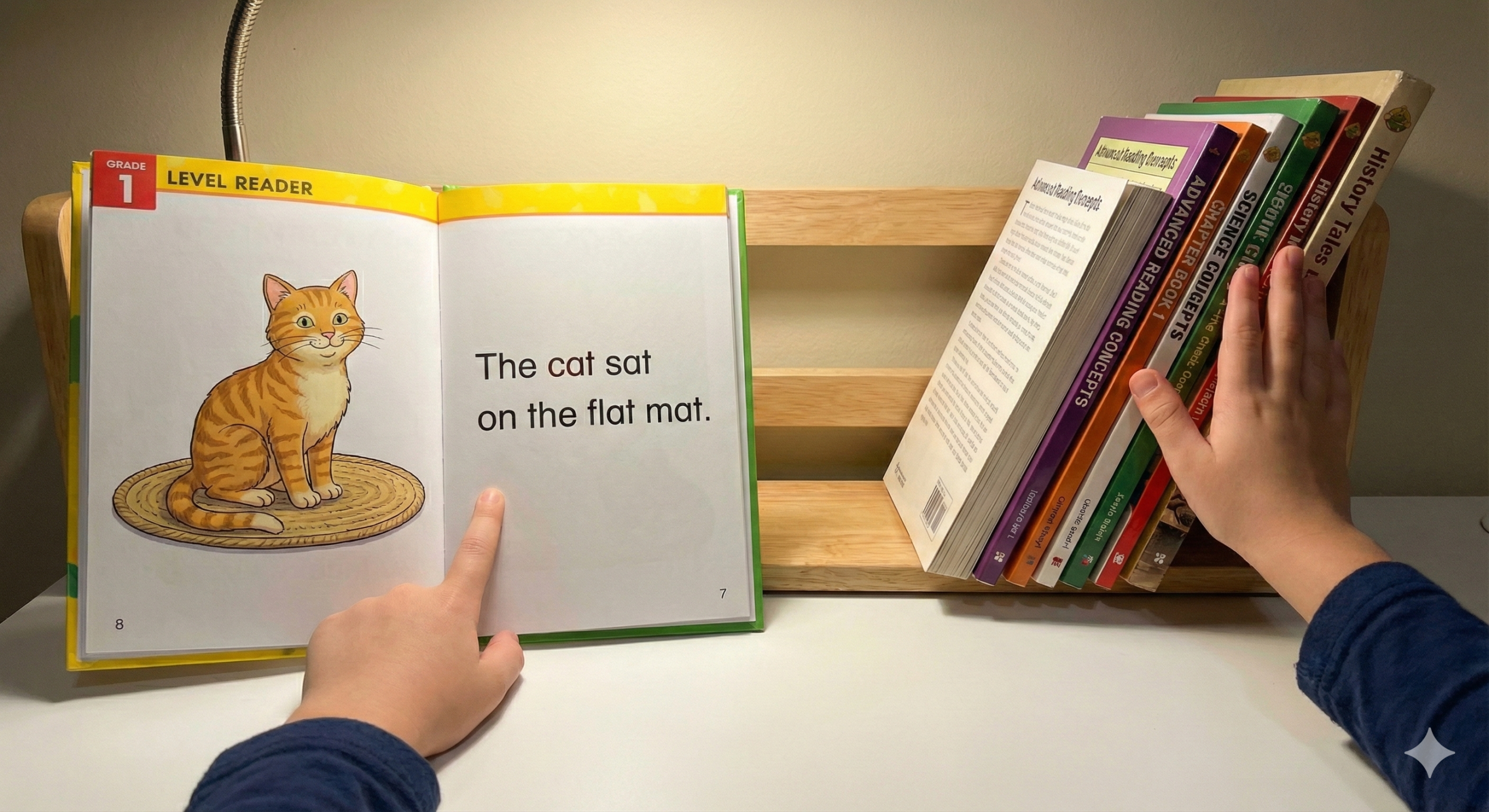
“It seems like the books they are reading are basically memorized…”
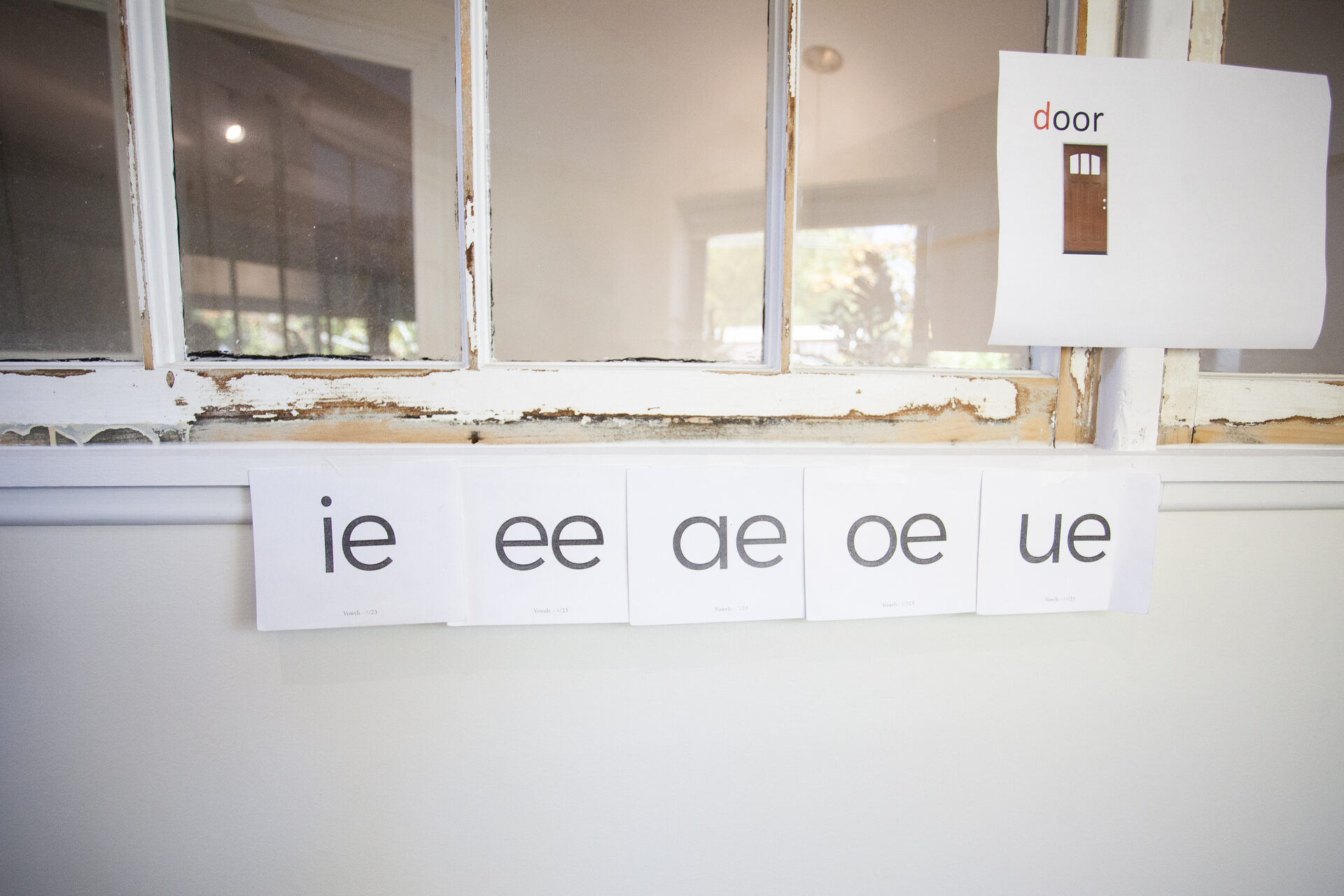
When Reading Confidence Hides a Decoding Gap
Signs Your Child Is Memorizing, Not Actually Reading
– Can recite a memorized book but stumbles on a new one.
– Relies on familiar routines but freezes when faced with a new type of problem.”
– Avoids challenges, refusing to attempt anything they haven’t seen before. Many of these overlap with the 8 signs your child may need literacy support.
The Memorization Trap: What Reading Specialists Observe
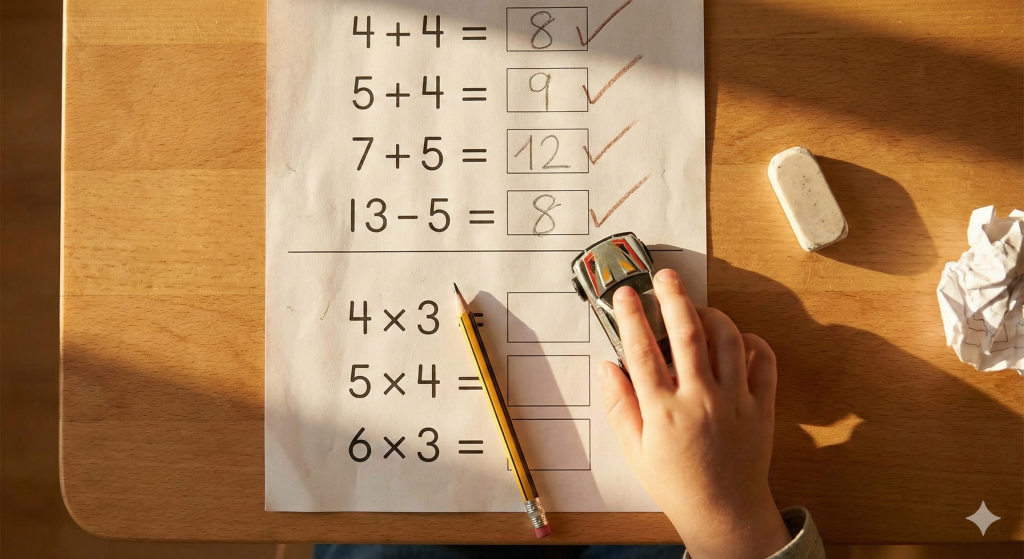
We call this the “Memorization Trap.”
We often meet students who can “read” their favorite bedtime story perfectly. They know every pause and every intonation. But if we take a single word from that same book—like “mountain”—and write it on a blank whiteboard, they have no idea what it says.
They weren’t reading; they were reciting. They rely on pictures, memory, and routine to mask the fact that they cannot actually decode new words or solve new math problems. When the “script” changes, their strategy collapses.
Why Some Children Rely on Memory Instead of Decoding
It isn’t just about comfort; it is about strategy.
Your child is likely using “whole-word memorization” to survive. This works for high-frequency words they see every day. But memorization doesn’t scale. You cannot memorize every word in the English language or every math problem solution. New material requires processing skills (decoding/visualization), which are the exact tools they are missing. For many children, this pattern is one face of a language-based learning disability (LBLD).
Why the Memorization Trap Stalls Reading Growth
If not addressed, this pattern limits growth. Children stay stuck at the same level instead of stretching into new skills, which affects long-term learning. And decoding is only half the story — see why smart kids struggle with comprehension even when they read every word.
How Psychoeducational Testing Reveals Reading Gaps
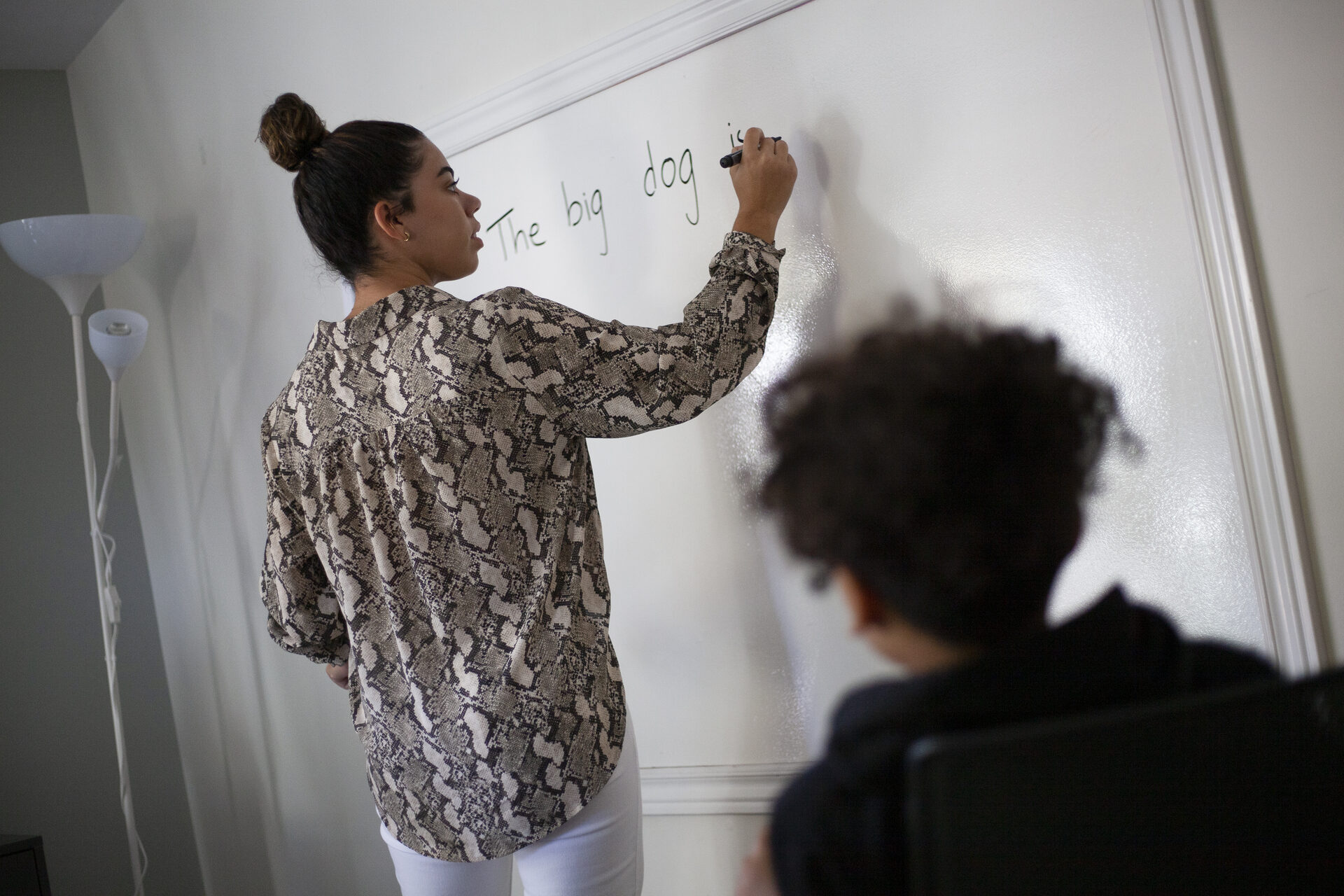
Testing highlights the difference between strengths and weaknesses. It shows where a child thrives and where gaps make new material difficult.
The Good News: Decoding Skills Can Be Taught
The good news is that strengths and weaknesses can both be mapped clearly. Once weaknesses are identified, the right support builds them into strengths.
How to Build Real Fluency Instead of Memorization
When a child only feels successful with familiar material, it shows their drive to succeed — they know they’re capable, but new material exposes weak spots. Our testing pinpoints those weak areas while also celebrating strengths, and then we build a plan using Seeing Stars, On Cloud Nine, or Visualizing & Verbalizing to balance both. This allows children to bring their natural ability and confidence to any material, not just the books or problems they already know.
What to Do If You Recognize This Pattern
If your child shines with familiar material but struggles with the new, it isn’t because they can’t learn — it’s because they need the right bridge between what they know and what comes next.
From Memorization to Mastery: Building Lasting Confidence
True confidence comes from knowing you can handle anything put in front of you, not just what you’ve memorized. Let’s give your child the tools to tackle the unknown without fear. Call us at +1 (902) 425-7323 or email info@novaread.com to book an intake consultation at our Halifax or Bedford clinic.