It’s Not Laziness: The Real Reason Homework Becomes a Battle
May 31, 2026
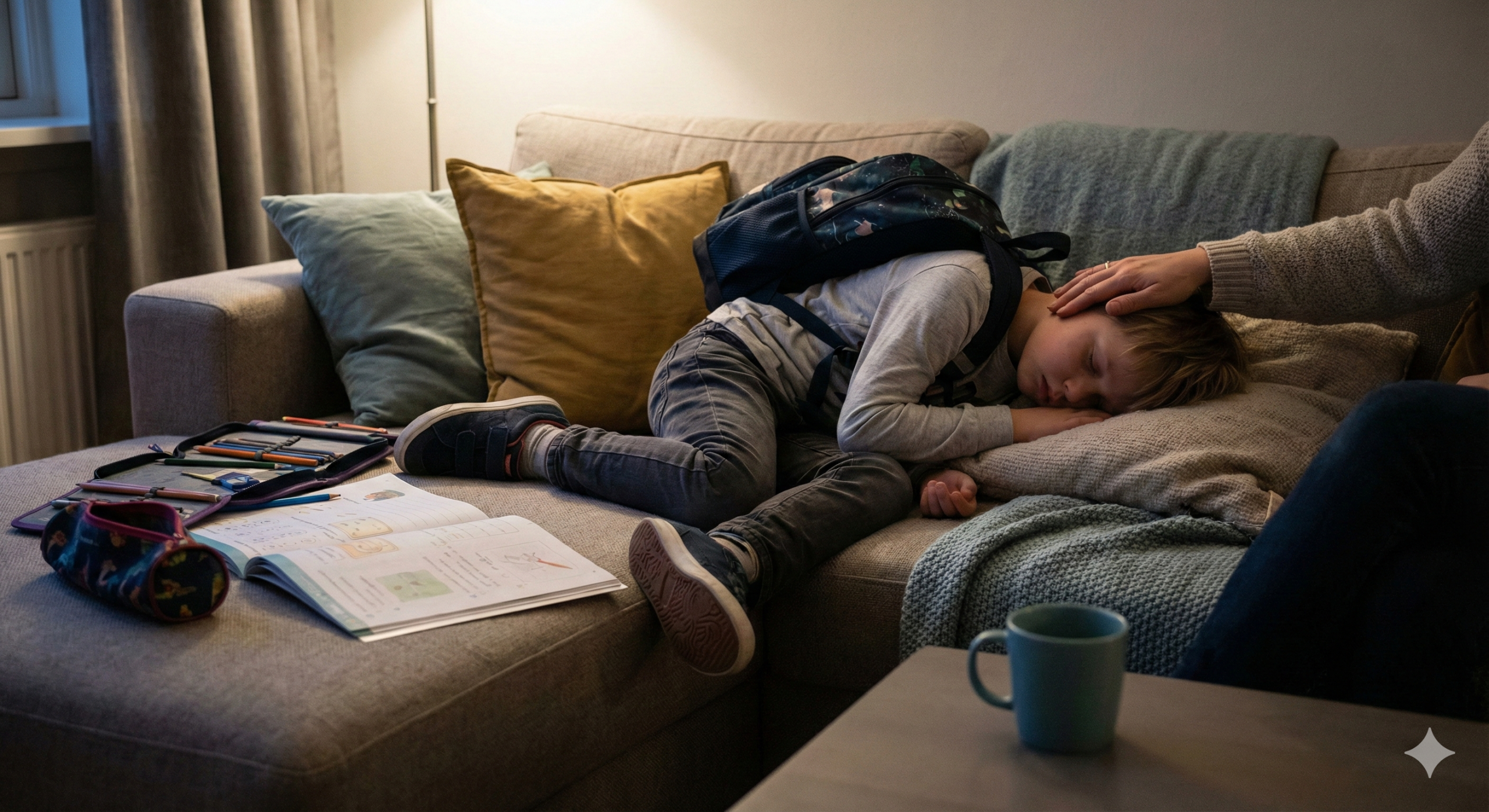
“By the time we even get to the first question, we’re both already exhausted”
When Homework Becomes the Worst Part of the Day
Avoiding homework is one of the most common struggles parents report. It’s easy to assume it’s laziness or lack of discipline — but that’s rarely the case. If you are seeing a reaction to doing schoolwork that
Signs That Homework Avoidance Is More Than Just Resistance
Meltdowns or excuses at homework time, often starting the moment the backpack is opened or before the books even come out.
Asking for help on every single question, appearing helpless even on tasks you know they are capable of doing.
Refusing to start or stalling endlessly, suddenly needing a snack, a drink, or a sharpened pencil just to delay the work. Many of these behaviours overlap with the 8 signs your child may need literacy support.
What Reading and Learning Specialists Observe

We often see students who have become “Master Negotiators.”
Parents tell us, “He spends more time arguing about the homework than it would take to actually do it.”
One student we worked with would consistently “lose” his worksheets or claim the teacher didn’t assign any. It wasn’t because he was dishonest; it was a strategy to avoid more of the same. The anxiety of facing the work was so high that his sole goal was to just be left alone.
The moment we filled his skill gaps, the “negotiations” stopped. He didn’t need to delay anymore because the work didn’t hurt anymore.
Why Some Children Struggle Far More Than Others with Homework
Avoidance often happens because the work feels too heavy. Missing skills in reading, math, or comprehension make tasks overwhelming, so children protect themselves by resisting. Often these gaps trace back to a language-based learning disability (LBLD) — challenges with reading, writing, comprehension, or math.
Why Homework Avoidance Is a Signal Worth Taking Seriously
If left unaddressed, avoidance can damage self-esteem and create conflict at home. Kids may start to believe they aren’t capable, when the truth is they simply lack certain tools.
How Psychoeducational Testing Reveals the Root Cause

Testing shows what’s really behind avoidance. Instead of assuming a lack of motivation, assessments reveal whether literacy, numeration, or comprehension gaps are driving the struggle.
The Good News: The Right Support Changes Everything
The good news is that when children get the right support, avoidance often disappears. Success breeds motivation — and once kids feel capable, they’re more willing to engage.
How to End Homework Battles for Good
Avoidance isn’t about motivation — it’s about tasks feeling too heavy because of missing skills. That’s why our first step is always testing, which identifies exactly where the gaps are. From there, we match students with the right support: Seeing Stars®, On Cloud Nine®, or Visualizing & Verbalizing®, depending on the need. This way, kids don’t just work harder — they work smarter, with the right tools in place. If math facts are the sticking point, see The Hidden Reason Your Child Can’t Retain Math Facts.
What Parents Can Do When Homework Feels Impossible
If homework feels like a battle every night, it doesn’t mean your child isn’t trying. It means they need support in the right areas. Once the gaps are filled, homework gets lighter — and family life calmer.
If you’d like to talk through what you’re noticing, we’d be glad to listen. Visit our Contact Page to send us a note or give us a call. We’ll help you take the next step toward making learning easier — and more enjoyable — for your child. You can also call +1 (902) 425-7323 or email info@novaread.com to book an intake consultation at our Halifax or Bedford clinic.