The Hidden Reason Your Child Can’t Retain Math Facts
May 31, 2026
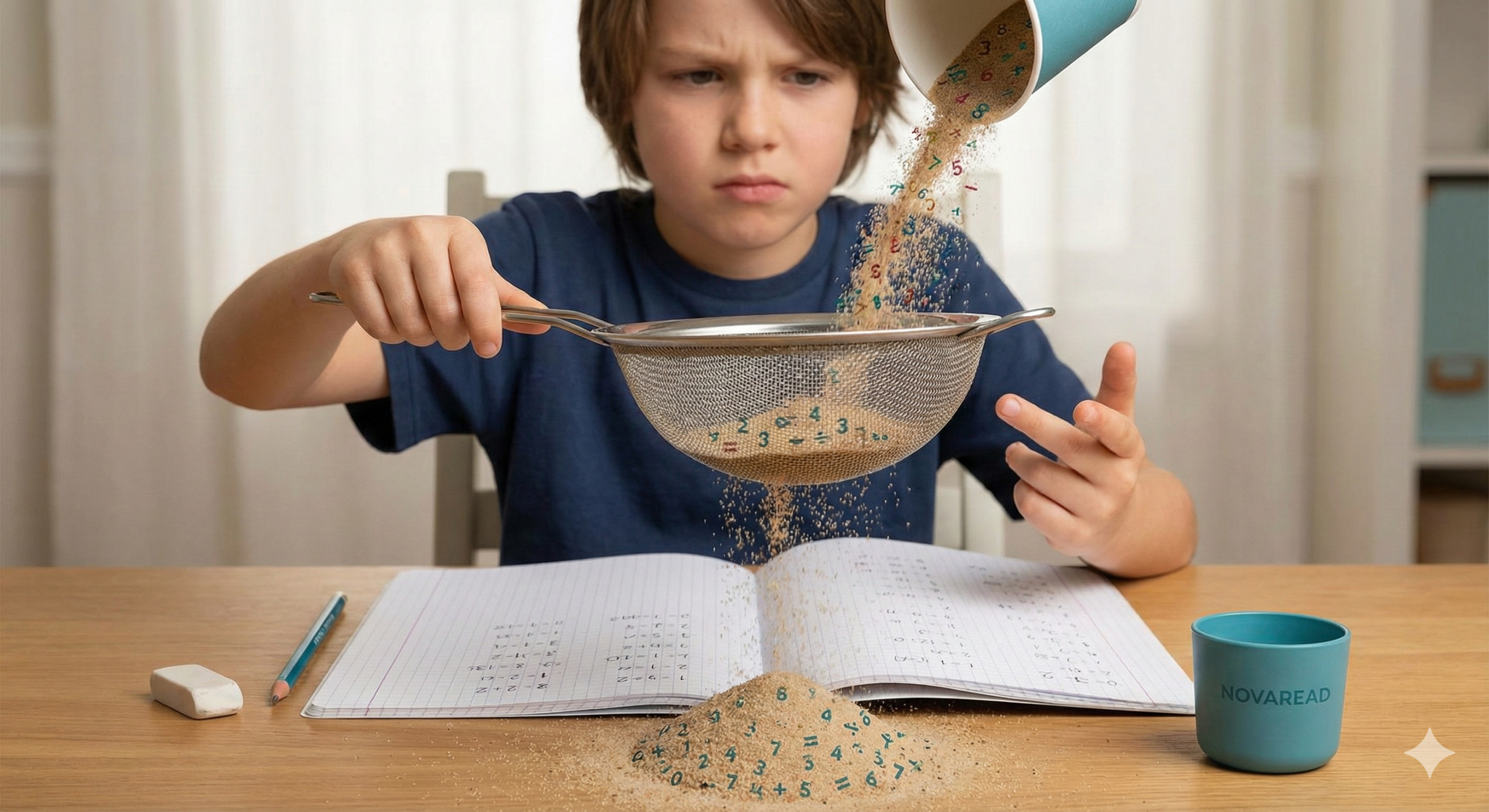
“We practice and practice…but the next day, it’s like we never did it”
Many children are bright and capable yet spend far too long on simple math tasks. Parents often notice finger counting, skipped steps, or slow homework completion.
Signs Your Child Is Struggling to Retain Math Facts
– Your child still counts on fingers well past the primary grades.
– Simple facts like 7+8 or 6×4 are hard to recall.
– Multi-step problems overwhelm them, even when they understand the process. You’ll find more patterns like these in Guessing, Stalling, and Forgetting: 5 Signs of Hidden Learning Gaps.
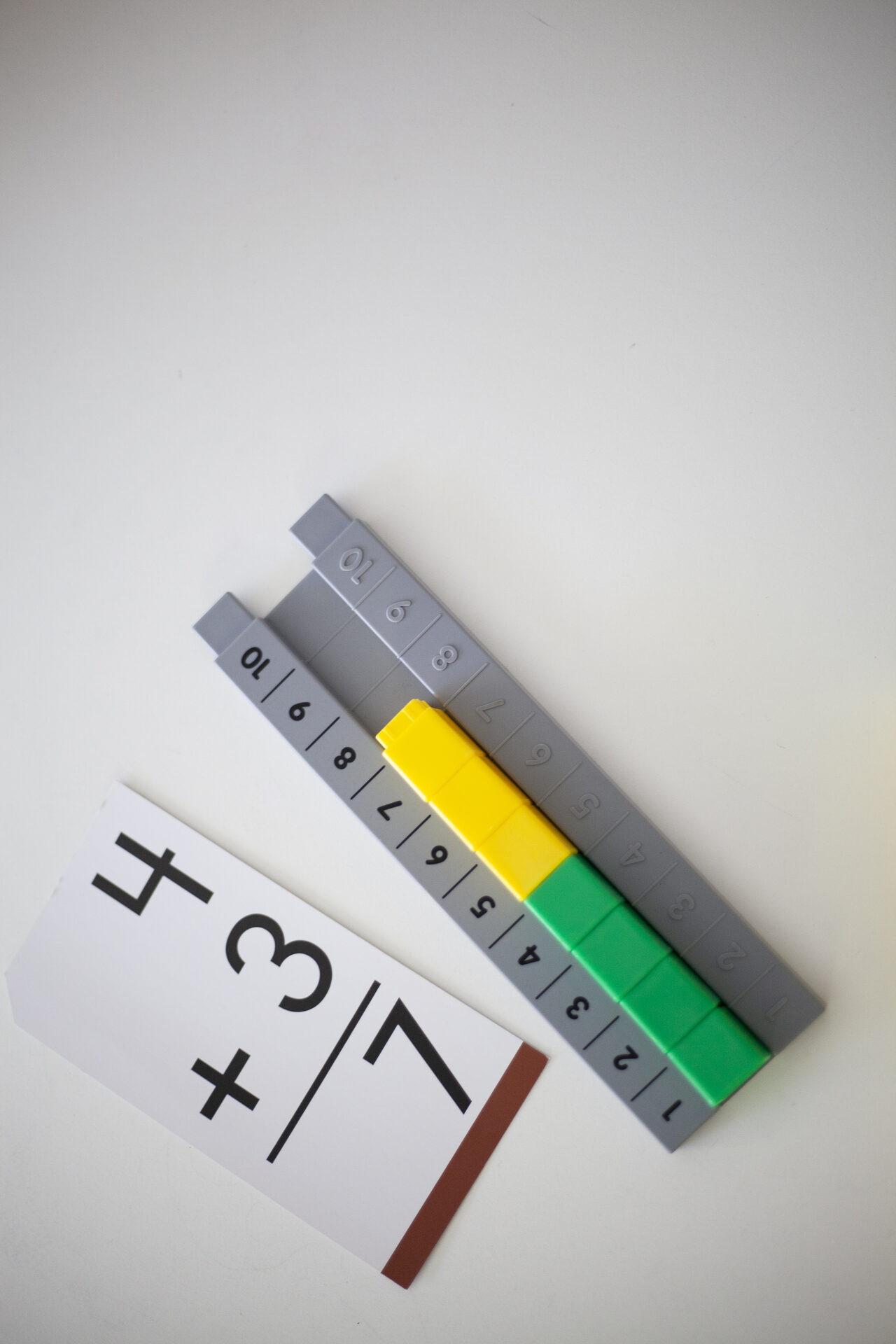
How Kids Hide Math Struggles Until the Grade 3 Wall?
We often see students who have become masters of disguise.
In the early grades, they survived math by counting on their fingers. But as they get older and peer pressure sets in, they start hiding it. We see students keeping their hands under the table to count, or tapping their feet to keep track of numbers.
The “Grade 3 Wall”
Often, these students hit a sudden wall around Grade 3 or 4. Why? Because multiplication arrives.
You can count 5+6 on your fingers pretty fast. But you cannot efficiently count 7×8 on your fingers. When the math load exceeds their ability to manually count, their grades plummet—not because they don’t understand the math, but because their “manual calculator” (their fingers) can’t keep up.
Why Some Children Can’t Retain Math Facts Despite Daily Practice
This usually comes from weak numerical imagery and automatic fact recall. Without a solid mental picture of numbers, math feels clunky and exhausting. Within the umbrella of language-based learning disabilities (LBLD), this math challenge is known as dyscalculia.
Why the Inability to Retain Math Facts Holds Children Back
Slow, effortful math drains confidence. It makes homework frustrating and causes students to fall behind peers. Math avoidance can also start creeping in, even when children are otherwise motivated learners. If homework is already a nightly battle, here’s what’s usually behind it.
How Psychoeducational Testing Identifies the Gap
Assessments often show the gap between conceptual understanding and fluency. A child may understand ‘how’ to solve a problem but lack the automaticity to do it efficiently.
The Good News: Numerical Imagery Can Be Taught
The good news is that numeration skills can be developed. By strengthening mental imagery for numbers and practicing fact recall in structured ways, children can become faster, more accurate, and more confident in math.
How to Help a Child Who Can’t Retain Math Facts
Struggles with slow math work, finger-counting, or difficulty with word problems usually mean gaps in numerical imagery and automatic fact recall. Our On Cloud Nine® program develops those foundations by helping children visualize numbers and build flexible, accurate math thinking. With stronger numeration skills, homework becomes faster, less stressful, and far more accurate.
What Parents Can Do If They Recognize This Pattern
If math seems to take forever, it isn’t a sign your child can’t do it. It’s a sign they need stronger foundations. Once those are in place, math becomes manageable and even enjoyable.
Ready to Help Your Child Build Real Math Confidence?
If you’d like to talk through what you’re noticing, we’d be glad to listen. Contact us to send us a note or give us a call. We’ll help you take the next step toward making learning easier — and more enjoyable — for your child. Call +1 (902) 425-7323 or email info@novaread.com to book an intake consultation at our Halifax or Bedford clinic.